The cutting-edge technology and tools we provide help students create their own learning materials. StudySmarter’s content is not only expert-verified but also regularly updated to ensure accuracy and relevance. Doing proper calculations will help with decision-making and increase business sales. You can find new opportunities and areas for improvement so you can operate at an optimal level. Production costs are important to understand since they’re connected with generating revenue.
Manufacturing Overhead

These costs support the overall operation of the business and are incurred for the benefit of multiple activities or departments. The frequency with which you should calculate your total cost depends on the nature of your business and how quickly your costs change. However, it’s generally a good idea to perform this calculation at least quarterly so you can make timely adjustments to your real estate cash flow pricing strategy.

Unit equivalent (unitEQ)
Of course, there are several advantages to using the total cost formula. Primarily, it is a clear and easy-to-use metric to assess the profitability of your company’s operations. You can keep an eye on the total cost over time to see if e.g. your pricing strategy needs reviewing. It can also be useful to compare your total cost with competitors’ consumer prices. For some businesses, per unit costs actually rise as more goods or services are produced.
- This involves continuous monitoring, adjusting to market changes and business demands, while finding ways to reduce costs while maintaining quality.
- It’s important to note, though, that the formula might need to be adjusted depending on the specific characteristics of the service.
- To correct for these issues, it is necessary to recalculate the total cost whenever the unit volume changes by a material amount.
- Total units produced is the total number of finished goods manufactured during a specific period.
- Gone is the need to monitor stock levels and calculate potential output– inFlow does it all instead.
- By distinguishing between these two types of costs, you can get a richer understanding of how costs work in business operations.
How Artificial Intelligence Is Transforming Automation Testing and Quality Assurance in Software Development

Managers can view timesheets to monitor labor costs and get further information by generating a timesheet report. Knowing the cost of manufacturing a product is more than being able to calculate the price and profits of the item. It helps manufacturers make more insightful decisions in terms of staying competitive and how production manufacturing can be profitable enough money to remain a viable business.
Average Cost of Production
In this way, you can see that various costs are included in the total production cost depending on the nature of the cost and its association with the actual output. Understanding the types of cost of production is vital for businesses to manage their expenses efficiently and set competitive prices. Costs can be classified into different categories based on their behavior and role in the production process. Timesheets can help manufacturers streamline their payroll with a secure process that includes locking timesheets once submitted to managers, who can review and route them to payroll. But they also serve as a means of monitoring labor costs to make sure you’re not overspending your budget.

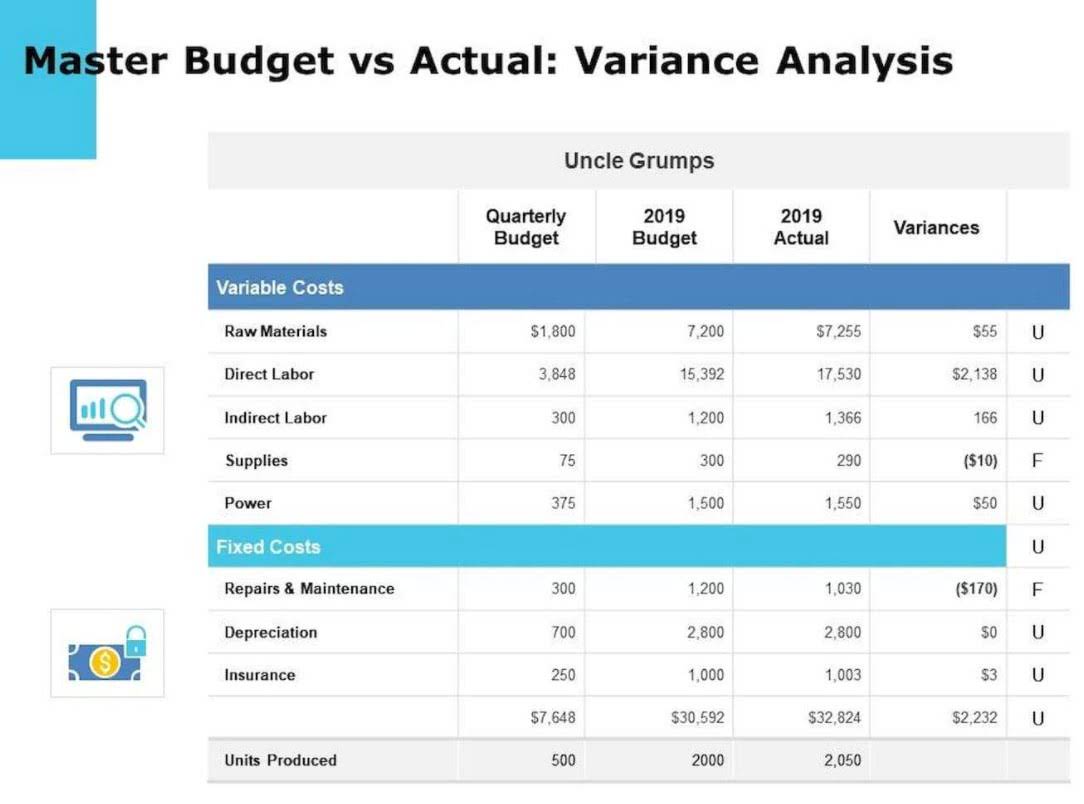
The huge margin between MRP and manufacturing price is further filled with the production costs and profit of the traders. The variable cost, depending on units sold and cost of the parts required is c. If the total production cost formula selling price for a product is greater than the marginal cost, then earnings will still be greater than the added cost – a valid reason to continue production. If, however, the price tag is less than the marginal cost, losses will be incurred, and therefore, additional production should not be pursued – or perhaps prices should be increased. This is an important piece of analysis to consider for business operations. This kind of actionable feedback helps companies make informed decisions, leading to a happier, more favorable bottom line.
- It is the total cost sustained by a business to produce a specific quantity of a product.
- They are more related to the passage of time than to the production of goods or services.
- Each of these costs is usually listed as separate line items on an income statement, which is the financial results of the business for a stated period.
- This captures your planned costs and allows you to view those planned costs against your actual costs in real time.
- Analysing total production costs helps you identify areas where costs can be controlled and optimised.
- The cost of production refers to the total expenses incurred by a firm to produce goods and services.
For any manufacturing operation, these costs are pivotal in determining profitability and competitiveness in the market. Understanding the components of manufacturing costs provides a clear picture of where expenses arise fixed assets and how they impact the overall financial health of the business. Average costs are the mean per-unit cost of producing goods or services, calculated by dividing total costs by the number of units produced or sold. Fixed costs might include rent and salaries, while variable costs could include supplies or hourly wages for labor.